
















Natural sun drying remains common among seafood processors, but it has major drawbacks. Weather delays production, creates uneven moisture in fish, and exposes products to bacteria. This results in inconsistent quality, high waste and lower market value.
Our industrial fish dryer solves these common pain points. It cuts drying time by over 60% compared with sun drying, controls temperature and humidity automatically, and produces fish products with consistent colour, flavour, and low microbial risk. Whether you run a small workshop or a large seafood processing factory, you can select matching models for your fish dehydration jobs.
Drawbacks of traditional sun drying
Sun drying fully depends on weather. Rainy or humid days halt production. Fish exposed to open air catches dust, insects and microbes.
Without precise temperature control, fish surfaces dry fast while the inner flesh remains moist. This causes oil leakage, spoilage, and inconsistent finished quality, hurting your brand reputation and profit margin.
How industrial fish dryer ensures stable drying?
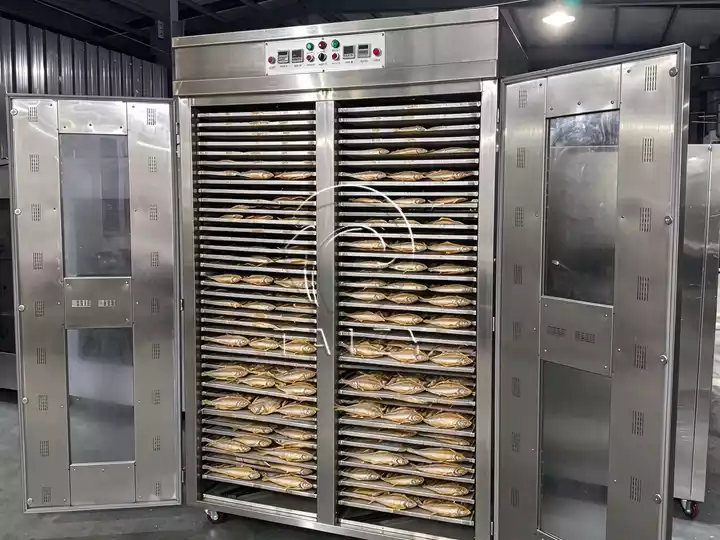
The industrial fish dryer adopts hot air circulation or heat pump systems. Closed drying chambers avoid outside contamination. Adjustable temperature ranges from room temperature to 100°C. Users can set multi-stage drying curves.
Gentle low-temperature drying prevents fish skin crusting while removing internal moisture evenly. Automatic humidity control eliminates manual draining work and reduces bacterial growth effectively.
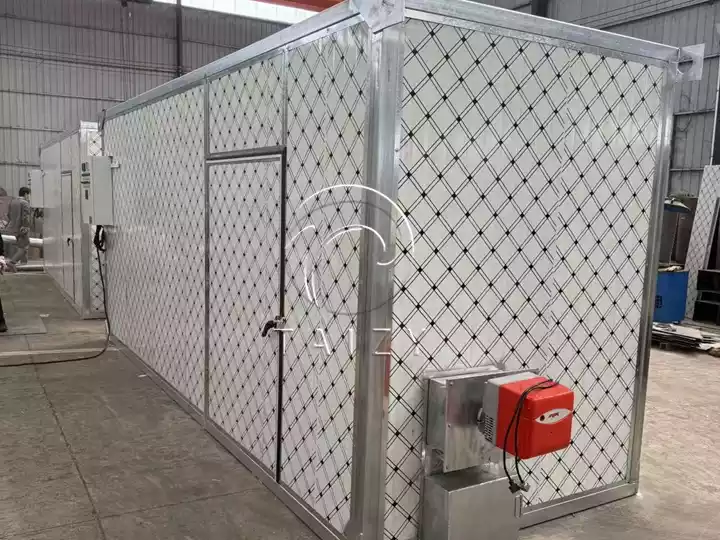
Main models for different production scale
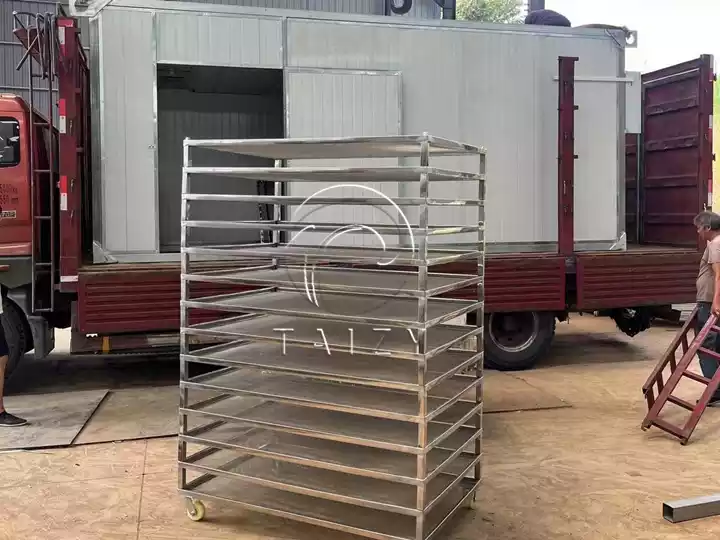
- DX Series Cabinet Dryer: Batch tray design, 20–960kg per batch, for small workshops and seafood shops.
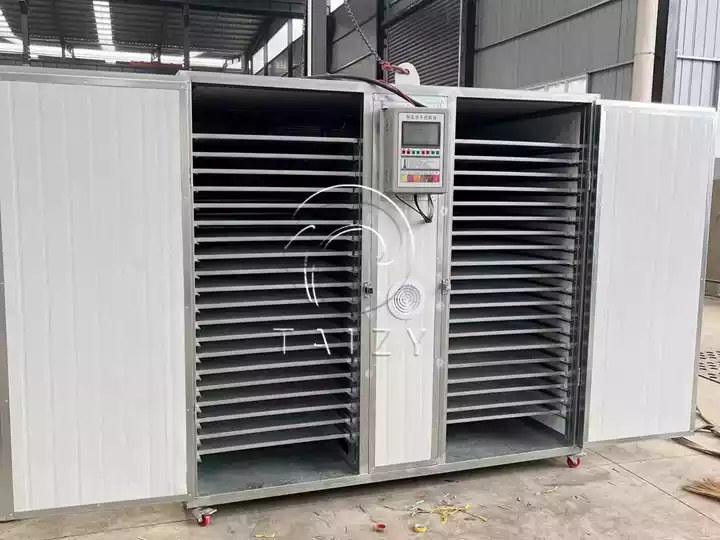
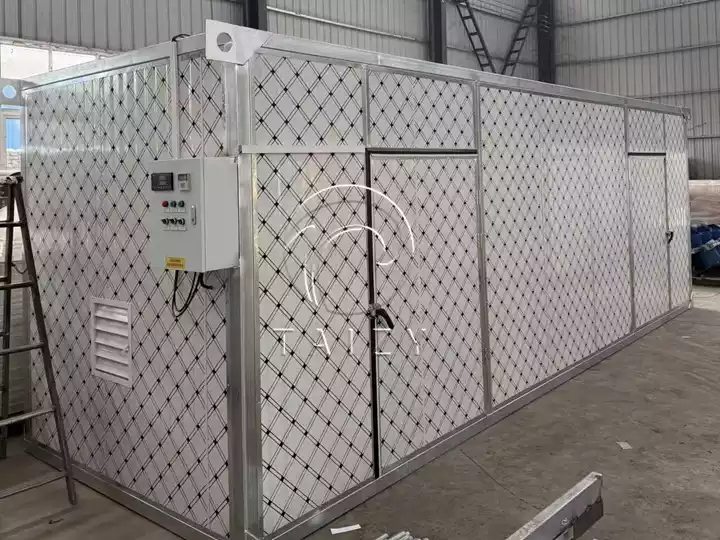
- TZ Series Heat Pump Drying Room: Energy-saving, suitable for medium-volume fish processing.
- Continuous Mesh Belt Dryer: Fully automatic, for large-scale seafood production lines.
All industrial fish dryer machine models come standard with 201 stainless steel, and 304 food-grade stainless steel is available as an upgrade to resist salt corrosion. Custom sizes and voltages are supported.
Multi-purpose use beyond fish drying
This drying equipment is not limited to fish processing. It can handle shrimp, squid, kelp, fruits, vegetables, meat, herbal medicines and agricultural products. One machine supports multiple materials to maximize your equipment investment.
Simple fish drying process overview
- Preprocess: Scale, gut and split fish
- Clean: Wash away blood and mucus
- Salt curing: 10–20% salt ratio by fish weight
- Desalting: Rinse excess salt
- Drying: Load into dryer and run staged temperature settings
- Cool & pack: Vacuum package after cooling to extend shelf life
Drying duration varies from several hours to 24 hours, determined by fish thickness and initial moisture.
FAQ
Do I need a fish-only drying machine?
No custom dedicated machine required. Cabinet dryers, heat pump drying rooms, and mesh belt dryers all work for fish. Choose based on your batch capacity, material, and budget.
Stainless steel selection for food-grade fish processing?
304 stainless steel is recommended for edible seafood to resist salt corrosion and meet food safety standards. 201 stainless steel works for non-edible rough processing to save costs.
Recommended temperature for fish drying?
Use low temperature for fish. Start at 30–45°C, then adjust based on moisture. High initial heat causes outside-dry-inside-wet and oil spoilage.
Final words
If unstable fish quality and bacteria risk trouble your seafood business, switching to an industrial fish dryer is a practical upgrade. It removes weather limits, lowers waste and stabilizes your finished products. Contact us to get your customized drying solution and quotation.