
















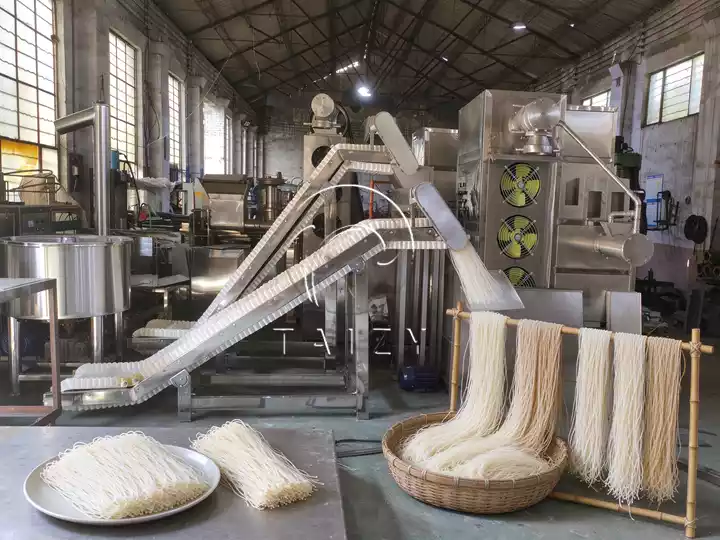
Investing in a vermicelli processing line is a critical decision for food factories. Equipment performance directly affects product quality, output stability, and long-term profitability.
Many buyers compare only prices and end up with low efficiency and limited production capacity. To help you make a smart purchase, this article covers the key factors in choosing a qualified vermicelli making production line.
Match capacity with production demand
Capacity matching is the basic principle to avoid overinvestment or insufficient output.
- Small-medium factories: 100–300 kg/h models for flexible batch production
- Mass production plants: 300–380 kg/h lines for stable 8-hour continuous operation
Proper configuration ensures steady daily output and avoids production bottlenecks.
Check versatility of vermicelli processing line
A high-value vermicelli processing line supports multi-raw-material and multi-product production to expand your business scope.
- Compatible with rice, corn, millet, beans and various starches
- Produces fresh/dried vermicelli, rice noodles, river noodles and rice cakes
- Adjustable thickness, width and shapes via replaceable molds
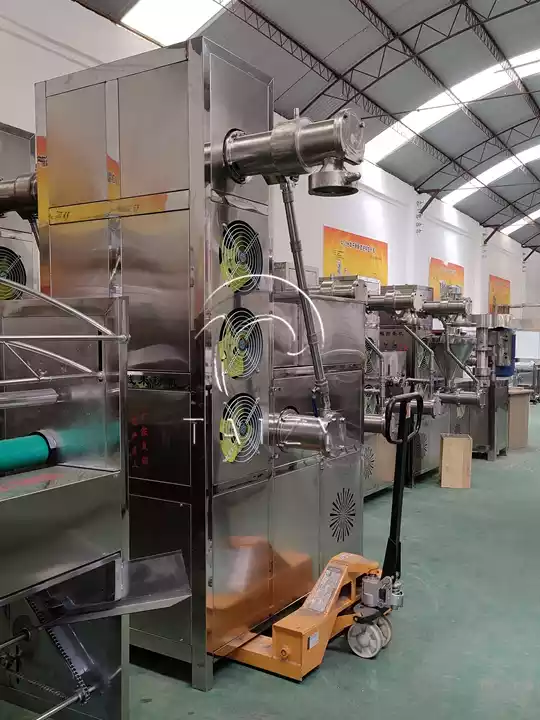
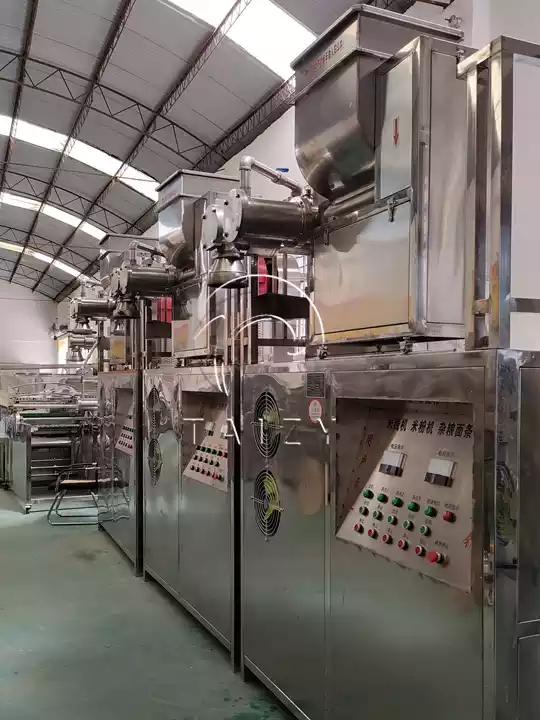
Focus on advanced production technology
Production technology determines vermicelli taste, texture and yield rate.
- Self-cooking extrusion system: Completes starch gelatinization through friction heat, simplifying traditional repeated steaming
- Produces chewy, non-breakable and non-sticky finished noodles
- Reduces material waste and improves overall production efficiency
Confirm modular flexible structure
Flexible equipment design adapts to different production modes.
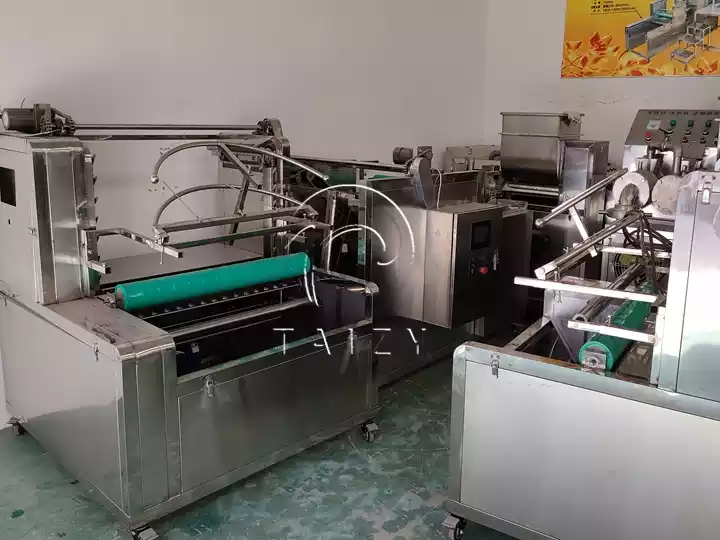
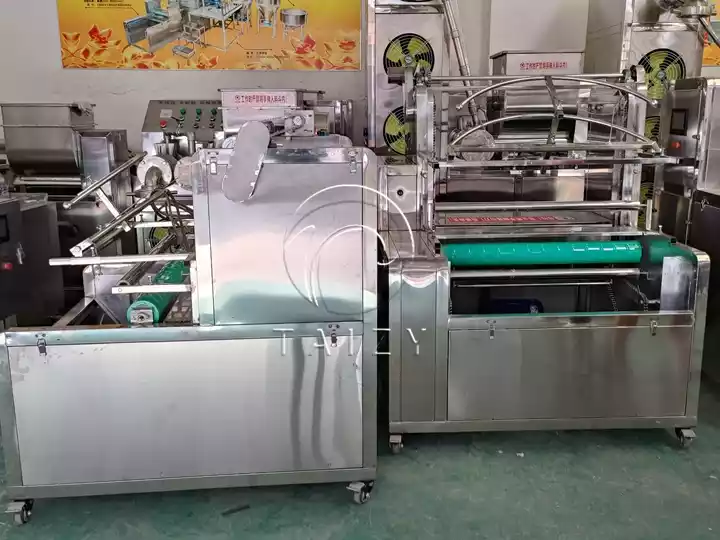
- Modular design supports standalone or full-line operation
- Drying unit optional for fresh or dried vermicelli production
- Capacity and configurations support later factory expansion
Ensure food safety and easy operation
Qualified food machinery must meet hygiene standards and lower labor costs.
- Food-grade stainless steel for all material-contact parts, easy to clean
- Intuitive control system, no professional workers required
- Stable 380V industrial voltage for long-time continuous work
Value reliable after-sales support
Complete after-sales service ensures long-term stable operation.
- Professional operation and maintenance training
- Standard mold accessories and timely parts supply
- Customized solutions for different workshops and raw materials
Final conclusion
When investing in a vermicelli processing line, avoid focusing only on low upfront cost. You should evaluate capacity, versatility, technology, safety, and after-sales service comprehensively.
A well-selected automatic vermicelli rice noodle production line effectively cuts labor costs, enriches product categories, and brings sustainable profits for your food processing plant.