


















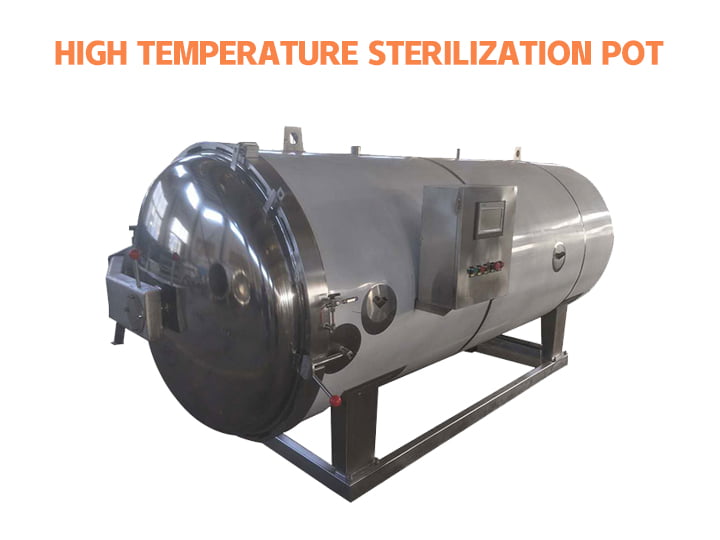
At present, the common sterilization methods in the food industry are high-temperature sterilization tank, high-pressure sterilization, ultraviolet sterilization, and chemical reagent sterilization. However, the most common sterilization method is high-temperature sterilization. This method not only has a good sterilization effect but also saves resources. On the other hand, since no chemical agent is added during the sterilization process, there is no harm to the human body. In general, viral bacteria are rapidly inactivated at high temperatures, and pasteurization is the use of this method.
Wie verwendet man Hochtemperatur-Sterilisationsbehälter zur Sterilisation?
Zunächst einmal der Prozess des Hochtemperatur-Sterilisationsbehälters:
Der Prozess ist in mehrere Phasen unterteilt: Einspritzen von warmem Wasser, Erhitzen, konstanter Druck und Temperatur, Wasserverdrängung und -rückgewinnung, Einweichen und Entwässern. Außerdem müssen einige Produkte gespült werden.
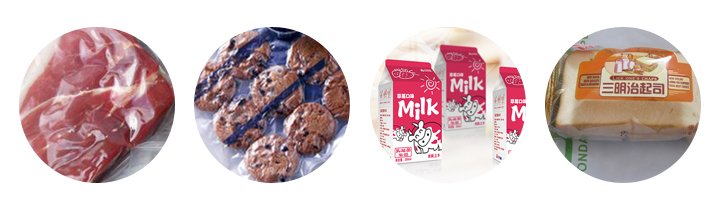
Einführung in jeden Sterilisationsprozess:
Dieser Abschnitt verwendet die Sterilisation von Schinkensalami als Beispiel, um die verschiedenen Prozesse der Sterilisation vorzustellen.
Inject warm water: The double sterilization pot is divided into the upper tank and lower tank. The water in the upper tank is usually preheated to 80-90 ° C, and then the hot water of 80-90 ° C is injected into the lower pot through the hot water pipe when the water level reaches 95 cm (ie, when the high water level light is on) ,the process is ending.
Heating: Put the hot water of 80-90 °C together with the product, and raise the temperature to a constant temperature with steam within 12-15 minutes. (In winter, it is usually 115 °; in summer, it is 120 °C. And the new product has other regulations.) The pressure in the pot is proportional to the temperature during the heating process.
Constant temperature and pressure: This stage is the key to the sterilization of ham sausage. The temperature and time must be kept under the conditions required by the process. There must be no mistakes in the implementation. It is the most stringent process in the process requirements, and the pressure is maintained at 0.25 MPa.
Replacement and recovery: After the end of the constant temperature, the ham is cooled by injecting cold water and recovering hot water. At this stage, the pressure should be stable and not less than 0.23 MPa to prevent the product from breaking the bag.
Soaking: Circulate the cold water in the pot through the circulation pump, so that the temperature of the ham sausage center is lowered to ensure the uniform temperature of the product.
Drainage: The drain valve is opened, compressed air is added, and the cool water in the pot is drained to facilitate taking the product out of the pot.
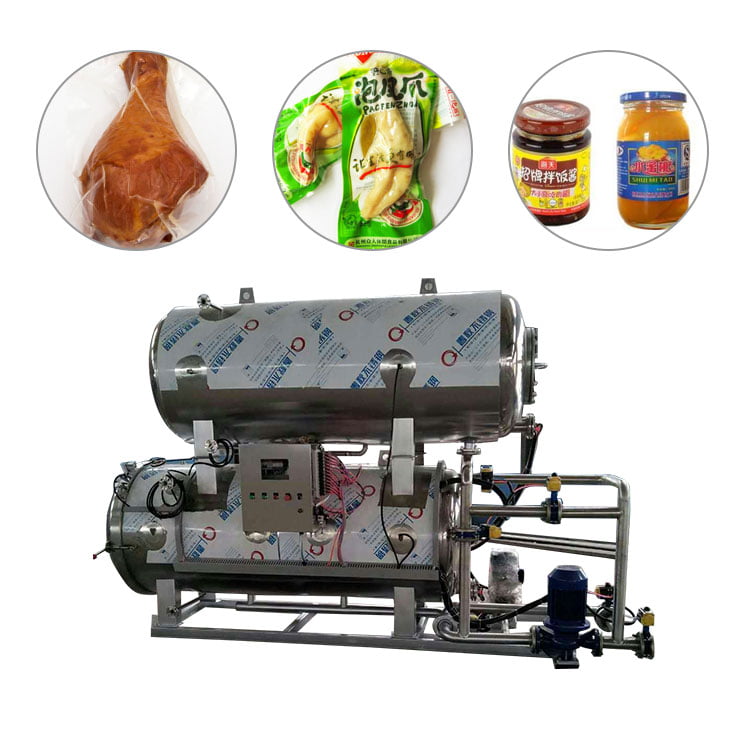
Das Prinzip der Sterilisation:
Unter Verwendung von Wasser als Medium wird Dampf eingesetzt, um die Temperatur zu erhöhen, sodass die Temperatur der Schinkensalami die für den Prozess erforderliche Temperatur erreicht, um sicherzustellen, dass die Bakterien in der Wurst vollständig abgetötet werden (F-Wert darf die Norm nicht überschreiten, Kontrolle innerhalb der Prozessanforderungen). Dadurch wird gewährleistet, dass die Schinkensalami während der Haltbarkeitsdauer kein Beutelaufblähungsproblem hat. Daher ist der Sterilisationsprozess der Schlüssel zur Herstellung von Schinkensalami. Nur die strikte Einhaltung der Sterilisationsprozessparameter kann die Sterilisationseffektivität und -qualität sichern.