


















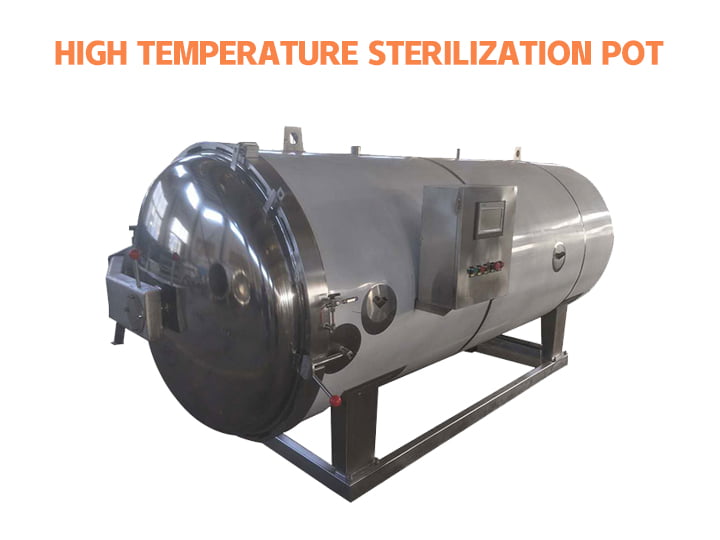
At present, the common sterilization methods in the food industry are high-temperature sterilization tank, high-pressure sterilization, ultraviolet sterilization, and chemical reagent sterilization. However, the most common sterilization method is high-temperature sterilization. This method not only has a good sterilization effect but also saves resources. On the other hand, since no chemical agent is added during the sterilization process, there is no harm to the human body. In general, viral bacteria are rapidly inactivated at high temperatures, and pasteurization is the use of this method.
แล้วคุณจะใช้ถังฆ่าเชื้อด้วยอุณหภูมิสูงอย่างไร?
ก่อนอื่นเป็นกระบวนการของถังฆ่าเชื้อด้วยอุณหภูมิสูง:
กระบวนการแบ่งเป็นหลายขั้นตอน: การฉีนน้ำอุ่น, การให้ความร้อน, การคงที่อุณหภูมิและความดัน, การเปลี่ยนที่และการกู้คืน น้ำ, การแช่และการระบายน้ำ นอกจากนี้ บางผลิตภัณฑ์ต้องล้างน้ำ
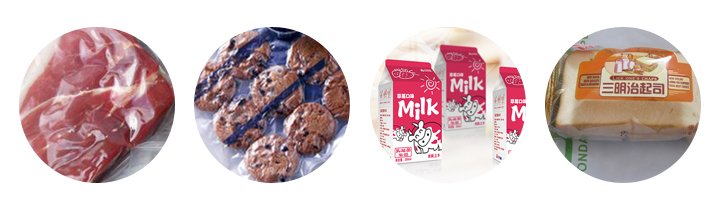
การแนะนำแต่ละกระบวนการฆ่าเชื้อ:
ส่วนนี้ใช้การฆ่าเชื้อไส้กรอกไฮแฮมเป็นตัวอย่างเพื่อแนะนำกระบวนการฆ่าเชื้อในแต่ละขั้นตอน
Inject warm water: The double sterilization pot is divided into the upper tank and lower tank. The water in the upper tank is usually preheated to 80-90 ° C, and then the hot water of 80-90 ° C is injected into the lower pot through the hot water pipe when the water level reaches 95 cm (ie, when the high water level light is on) ,the process is ending.
Heating: Put the hot water of 80-90 °C together with the product, and raise the temperature to a constant temperature with steam within 12-15 minutes. (In winter, it is usually 115 °; in summer, it is 120 °C. And the new product has other regulations.) The pressure in the pot is proportional to the temperature during the heating process.
Constant temperature and pressure: This stage is the key to the sterilization of ham sausage. The temperature and time must be kept under the conditions required by the process. There must be no mistakes in the implementation. It is the most stringent process in the process requirements, and the pressure is maintained at 0.25 MPa.
Replacement and recovery: After the end of the constant temperature, the ham is cooled by injecting cold water and recovering hot water. At this stage, the pressure should be stable and not less than 0.23 MPa to prevent the product from breaking the bag.
Soaking: Circulate the cold water in the pot through the circulation pump, so that the temperature of the ham sausage center is lowered to ensure the uniform temperature of the product.
Drainage: The drain valve is opened, compressed air is added, and the cool water in the pot is drained to facilitate taking the product out of the pot.
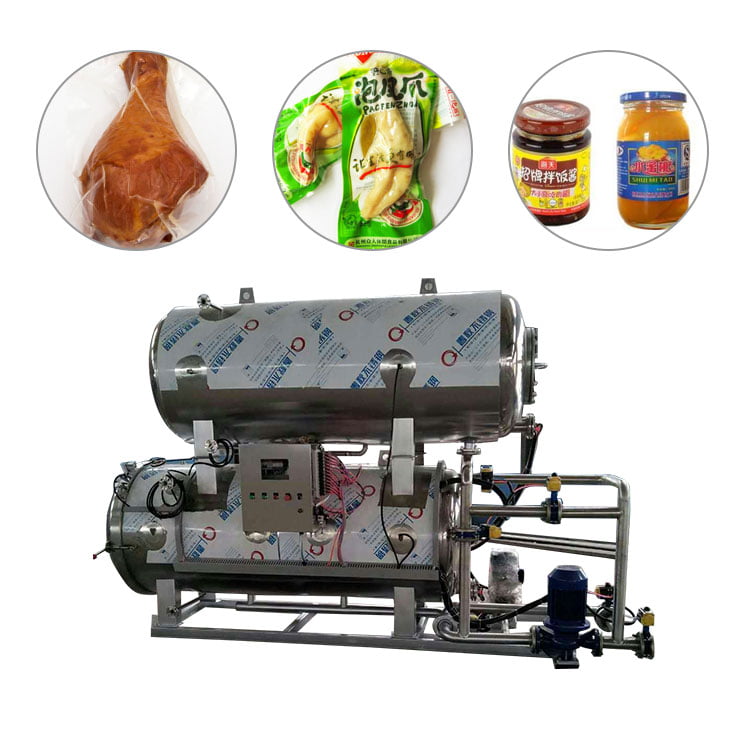
หลักการของการฆ่าเชื้อ:
โดยใช้น้ำเป็นสื่อกลาง ใช้ไอน้ำเพื่อเพิ่มอุณหภูมิ เพื่อให้ไอ้กรอกไฮแฮมถึงอุณหภูมิที่กำหนดในกระบวนการเพื่อให้แน่ใจว่าเชื้อแบคทีเรียในไส้กรอกถูกฆ่าอย่างสมบูรณ์ (ค่า F ต้องไม่เกินมาตรฐาน ควบคุมให้อยู่ในข้อกำหนดของกระบวนการ) ดังนั้น จึงมั่นใจได้ว่าไส้กรอกไฮแฮมจะไม่เกิดปัญหาการขยายตัวของถุงในช่วงอายุการเก็บรักษา ดังนั้น กระบวนการฆ่าเชื้อจึงเป็นกุญแจสำคัญในการผลิตไส้กรอกไฮแฮม การดำเนินการตามพารามิเตอร์ของกระบวนการอย่างเข้มงวดเท่านั้นจึงจะสามารถรับประกันผลการฆ่าเชื้อและคุณภาพของการฆ่าเชื้อได้