

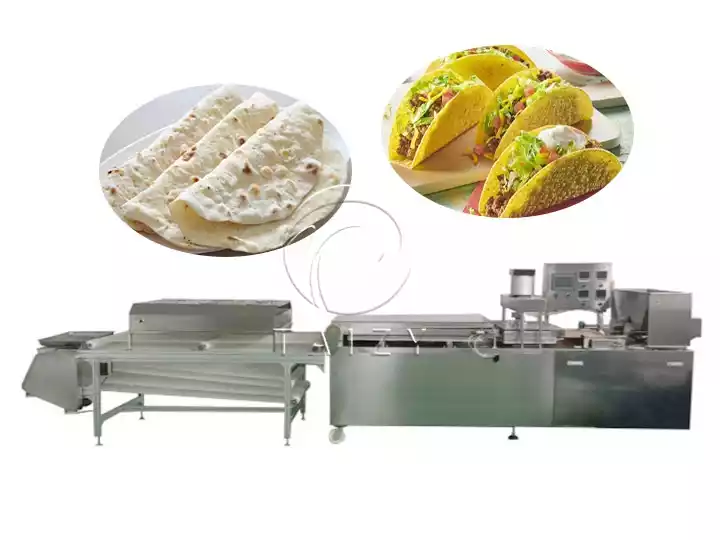
The tortilla making machine integrates automatic shaping, constant-temperature heating, conveyor cooling, and cutting/trimming into a single unit. It is widely used for the large-scale production of various flatbreads, including Chinese flatbreads, naan, tortillas, spring rolls, and Peking duck wraps.
The equipment utilizes an electric heating control system that maintains a stable temperature range of 150–280°C and supports adjustable dough thickness from 0.3 to 3 mm, meeting the process requirements of various products.
The machine’s production capacity ranges from 200 to 1,800 pieces per hour and can be flexibly configured based on different models. It is suitable for continuous automated production across various scales, from small-scale food service operations to industrial food factories, significantly improving efficiency and reducing labor costs.
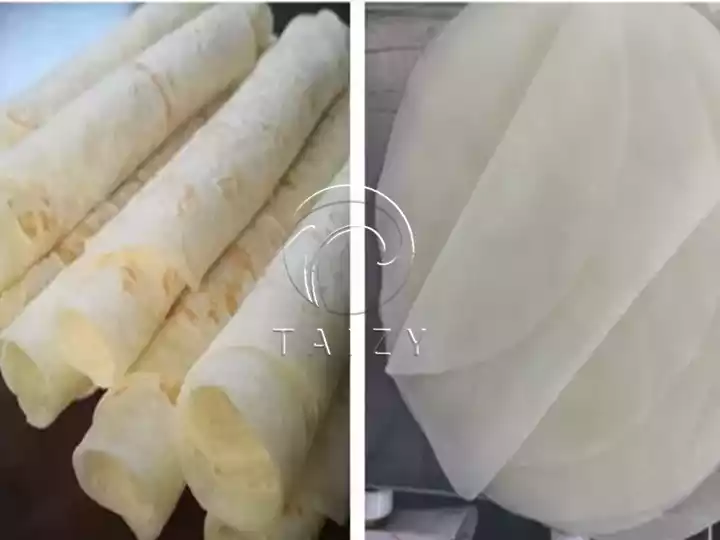
Types of flatbreads that can be processed
This tortilla making machine can be used to produce a wide variety of flatbread products:
- Labao / Traditional Chinese thin flatbread
- Tortillas
- Zhangbing / Tortilla wraps
- Peking duck wraps / Lotus leaf wraps
- Layered flatbread / Roti
- Spring roll wrappers
- Multigrain flatbreads / Vegetable and fruit flatbreads
- Sesame flatbreads and other specialty flatbreads
By adjusting the recipe and molds, the machine can meet diverse food production needs.
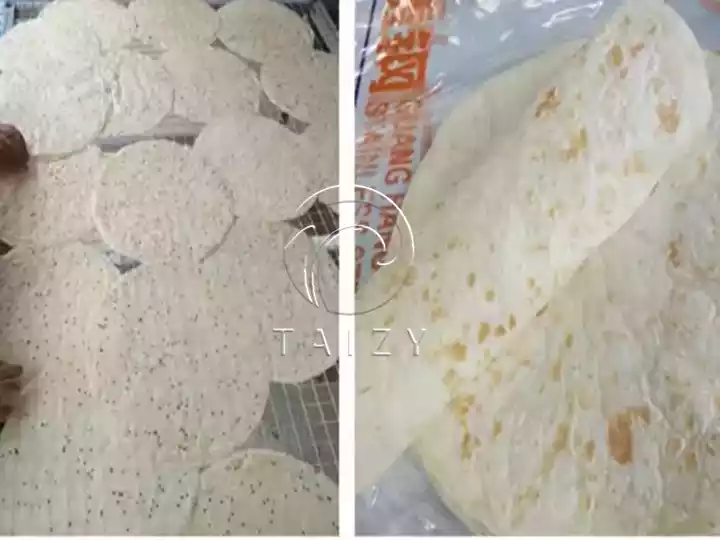
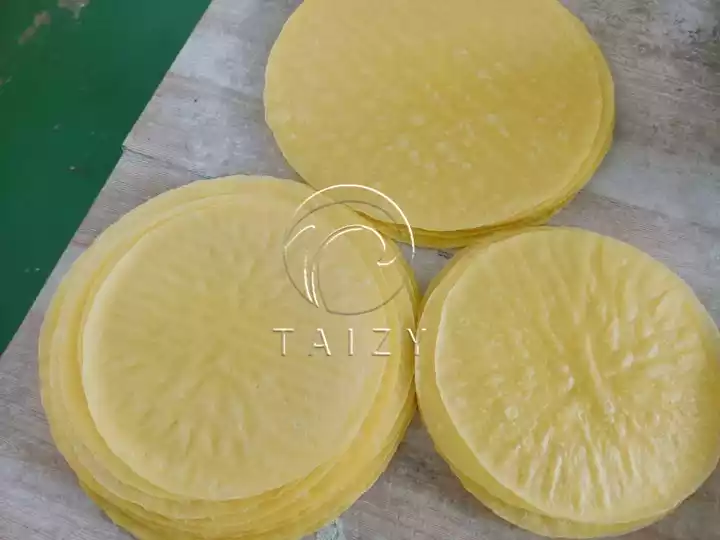
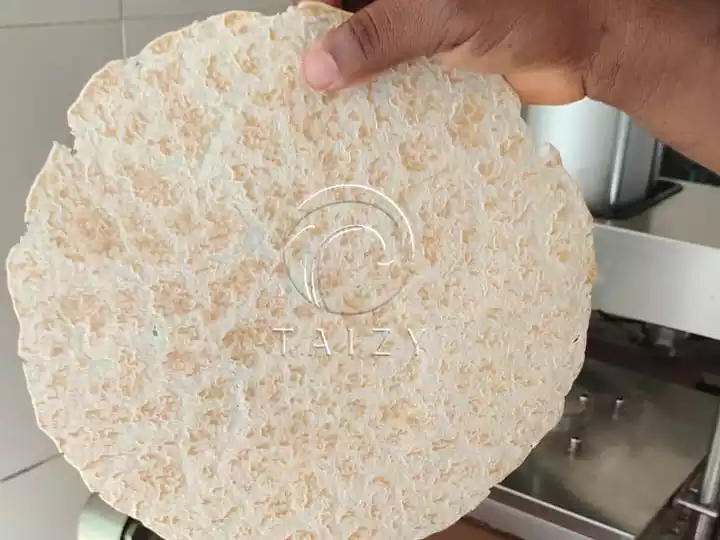
Advantages of tortilla making machine
- Equipped with an intelligent PLC control system that automatically regulates output, speed, and parameters.
- Features an electric heating system with constant temperature control, ensuring even heating and consistent product quality.
- Supports continuous, uninterrupted production to enhance production efficiency.
- Adjustable thickness and diameter to accommodate a wide range of product specifications.
- Compact design with a small footprint, making it ideal for factories and central kitchens.
- Stainless steel construction ensures safety, hygiene, and easy cleaning and maintenance.
Equipment structure and operating principle
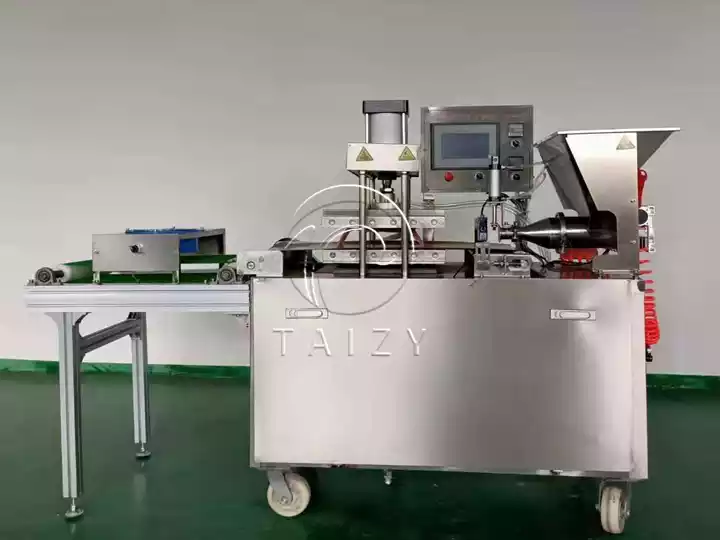
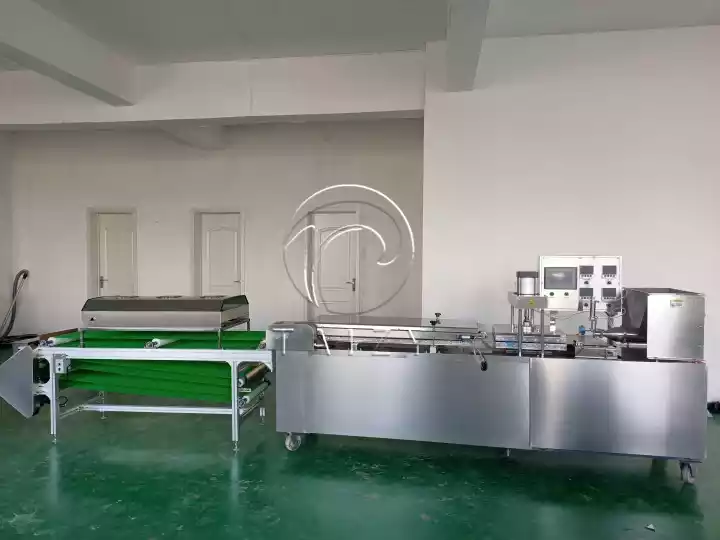
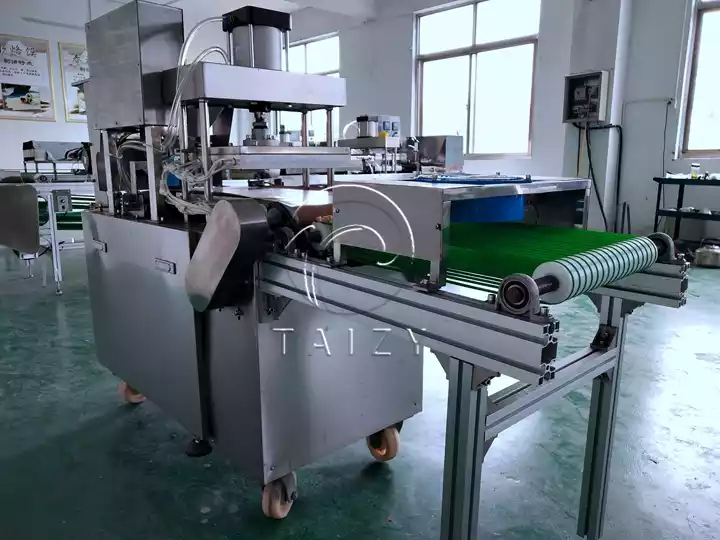
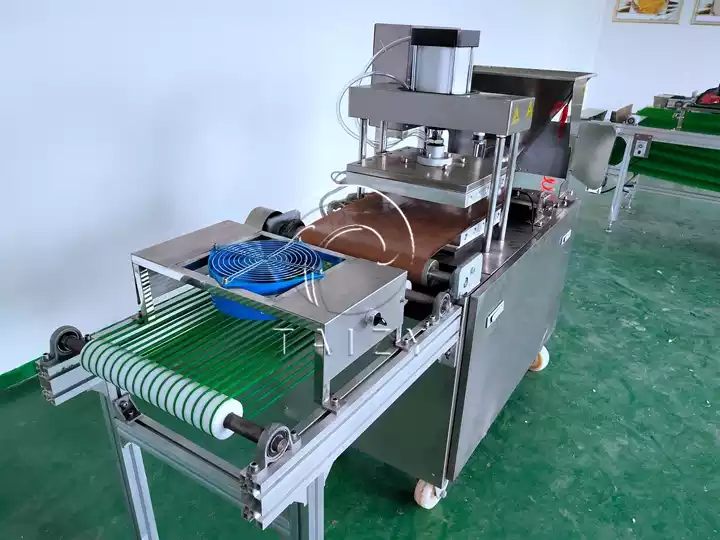
The chapati machine employs a fully automated, integrated production process. Its main components include:
- Flour Hopper
- Control Panel
- Heating Plate
- Chapati Forming Device
- Noodle Cutting Device
- Cooling Conveyor
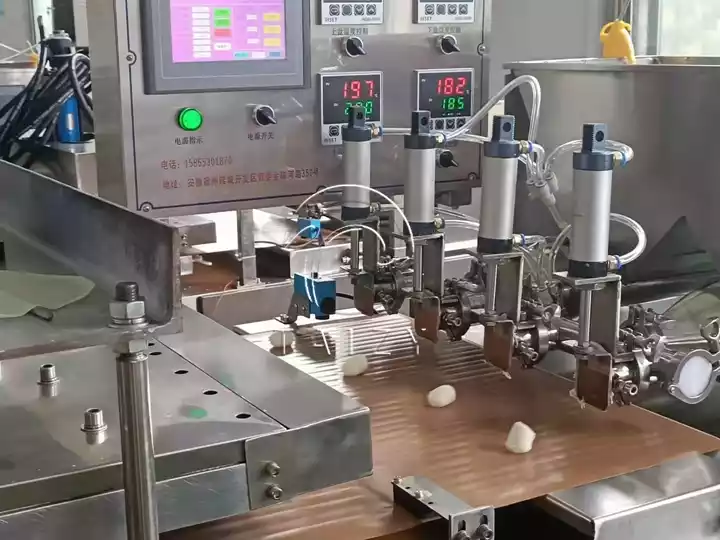
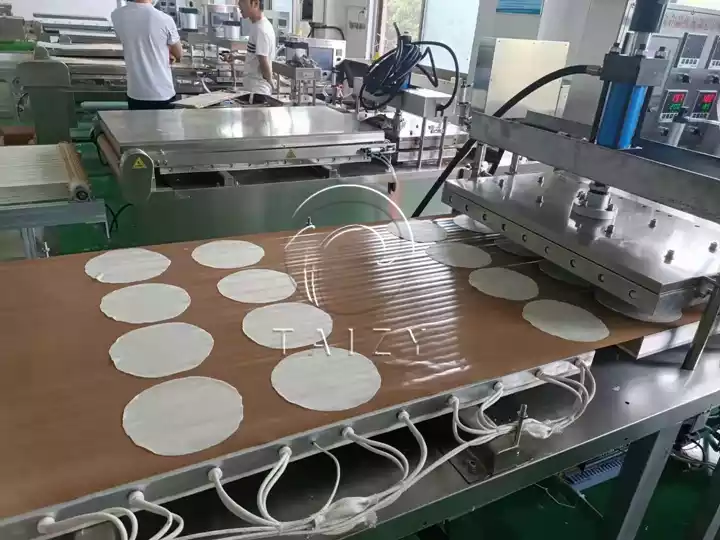
After the dough enters the hopper, the control system sets the parameters (speed, pressure, size, and temperature). The tortill making machine automatically performs portioning, pressing and shaping, and heating and proofing. The dough is then transported through a multi-layer conveyor system for cooling, and finally, the finished flatbread blanks are output, achieving fully automated, unmanned production.
Automatic tortilla making machine specifications
| Model | Power | Heating Method | Voltage | Capacity | Diameter Range | Thickness | Working Temp | Size |
|---|---|---|---|---|---|---|---|---|
| SL-350 | 7kw | Electric | 380V / 50Hz | 200–360 pcs/h | 80–300mm | 0.3–2mm | 150–280℃ | 1600×600×1200mm |
| SL-450 | 20kw | Electric | 380V / 50Hz | 700–1200 pcs/h | 80–400mm | 0.3–2mm | 150–280℃ | 5200×800×1400mm |
| SL-650 | 30kw | Electric | 380V / 50Hz | 1400–1800 pcs/h | 80–400mm | 0.3–2mm | 150–280℃ | 5200×1050×1400mm |
Recipe and process for rolled pancakes (standard example)
Using 10 jin of flour as an example:
- Warm water: 8.5–9 pounds
- Flour: 10 pounds
- Xanthan gum: 40g
- Fried dough stick leavening agent: 20g
- Gluten enhancer: 15g
- Vegetable oil: 3–4 ounces
Preparation Steps:
- Add the ingredients in order to the mixer and mix thoroughly (5–8 minutes).
- Add the vegetable oil and mix again until uniform.
- Pour into the hopper to begin the automatic production process.
Pancake production process and storage procedures
- Mix the ingredients in the specified proportions and blend thoroughly using a mixer.
- Pour the dough into the machine’s hopper, then set the temperature and production parameters.
- The machine automatically performs portioning, pressing, proofing, and conveying.
- The finished products are conveyed through a three-tier cooling rack to the discharge outlet.
- After cooling, the products can be portioned or vacuum-packed.
- Once packaged, they can be frozen at -18°C, with a shelf life of approximately 90 days.
To restore texture, products can be reheated using a microwave, steamed, or pan-fried.
Contact us
If you are interested in more pasta processing equipment, we invite you to explore our related products, such as spring roll wrappers and noodle-making machines. Contact us for a complete automated pasta production solution to upgrade your food processing operations.